
Ethical Whale Shark Swimming: A Guide to Responsible Wildlife Encounters
Introduction
The explosion of whale shark tourism over the past two decades has created a paradox: the very popularity that can fund conservation efforts also threatens the animals when poorly managed. In destinations worldwide, whale sharks face harassment from overcrowded encounters, physical contact from tourists, boat strikes, and behavioral disruption that compromises feeding efficiency.
Tofo Beach in Mozambique has emerged as a case study in how whale shark tourism can operate responsibly when proper guidelines exist and enforcement occurs. The difference between ethical encounters and exploitative tourism isn’t always obvious to first-time participants, but understanding these distinctions determines whether your whale shark experience contributes to conservation or becomes part of the problem.
This guide explains what ethical whale shark swimming looks like in practice, why specific guidelines exist, how to identify responsible operators, and what role you play in ensuring these magnificent creatures continue thriving in Mozambican waters for future generations.
Understanding Whale Sharks: Biology and Conservation Status
Species Fundamentals
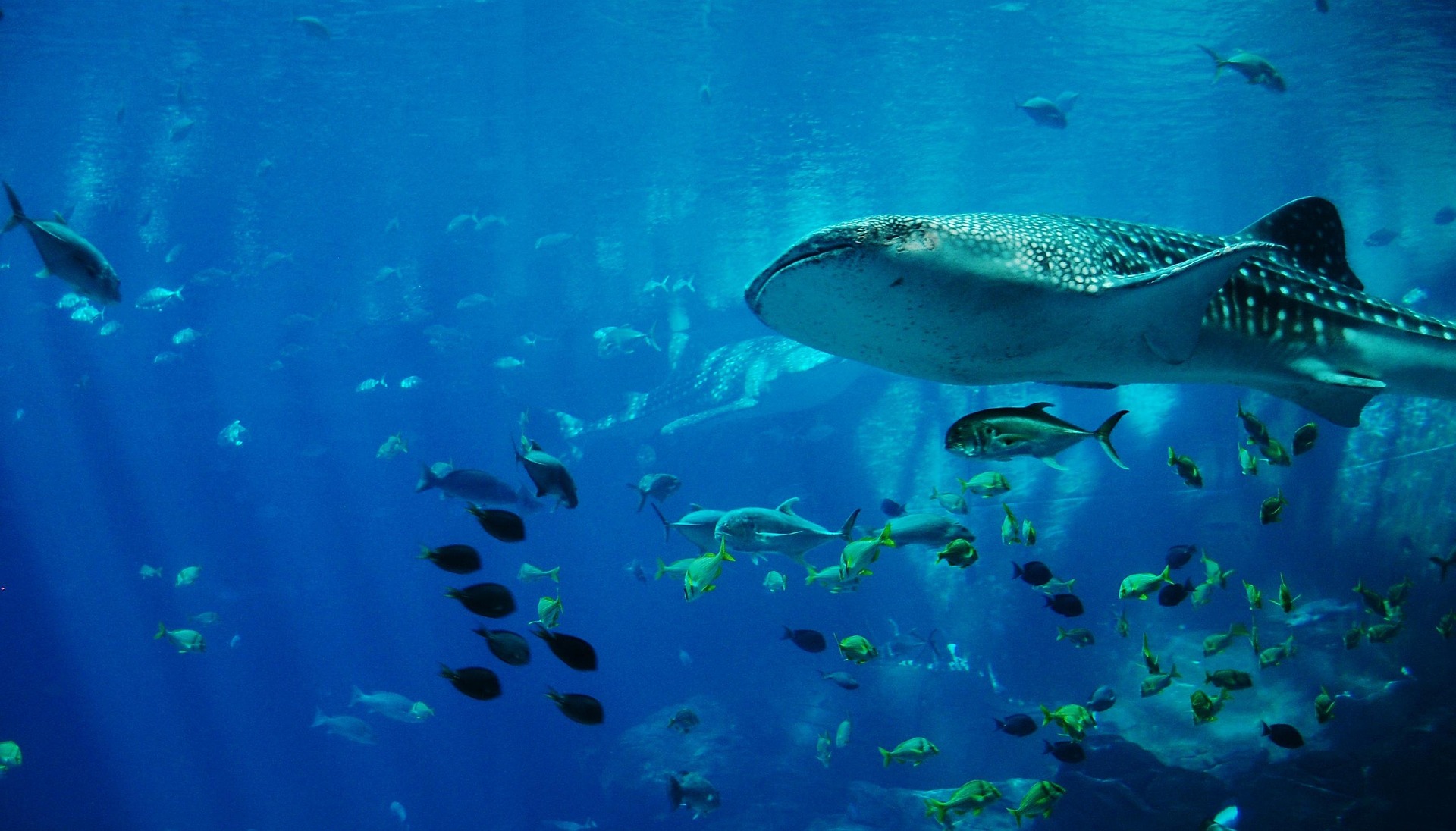
Whale sharks (Rhincodon typus) are the world’s largest fish, reaching confirmed lengths up to 18 meters though most individuals measure 4-12 meters. Despite their size, they’re filter feeders consuming primarily plankton, small fish, and fish eggs—posing zero threat to humans.
These gentle giants are ovoviviparous, meaning females carry eggs that hatch internally before giving birth to live young. Reproductive cycles remain poorly understood, though research suggests sexual maturity occurs around 25-30 years of age and gestation periods may exceed one year. This slow reproductive rate makes populations vulnerable to overfishing and other anthropogenic pressures.
Whale sharks are highly migratory, with individuals tracked traveling thousands of kilometers between feeding aggregations. The same individuals often return to specific sites across multiple years, indicating site fidelity that makes local population protection critically important.
Conservation Status and Threats
The IUCN Red List classifies whale sharks as Endangered—two steps from Extinct in the Wild. Global populations have declined an estimated 50% over the past 75 years, with regional variations showing even steeper drops in some areas.
Primary threats include:
Fishing pressure: Despite protection in many countries, whale sharks face targeted fishing in some regions and bycatch in others. Their meat, fins, and oil all have commercial value in certain markets.
Ship strikes: Slow-swimming whale sharks feeding near the surface are vulnerable to collisions with vessels, particularly larger ships and fast-moving boats. These strikes can cause fatal injuries or chronic wounds leading to infection.
Habitat degradation: Coastal development, pollution, and climate change impact the plankton blooms whale sharks depend on. Ocean warming shifts bloom timing and locations, potentially disrupting established aggregation patterns.
Tourism impacts: Poorly managed tourism can cause behavioral changes, reduced feeding efficiency, increased stress, and direct injury from propellers or physical contact. The cumulative effect of repeated disturbance across an animal’s lifetime remains unclear but concerning.
Why Ethical Tourism Matters
Well-managed whale shark tourism generates economic incentives for conservation. When local communities benefit financially from live whale sharks, support for protection increases and alternative livelihoods to fishing emerge. Tourism revenue can fund research, enforcement, and education initiatives.
However, unethical tourism undermines these benefits. Animals that associate human presence with harassment may abandon aggregation sites, eliminating both the conservation value and economic benefit. Physical injuries from boats or touching can cause infections. Behavioral disruption reduces feeding efficiency, potentially impacting health and reproduction.
The choice isn’t between tourism and no tourism—whale shark encounters will continue as long as demand exists. The choice is between tourism that contributes to conservation and tourism that accelerates decline.
Core Principles of Ethical Whale Shark Encounters
Minimize Disturbance
The foundational principle underlying all ethical guidelines is minimizing disturbance to natural behavior. Whale sharks in Tofo waters are feeding—this is their purpose for being present. Any interaction that interrupts feeding, causes the animal to change direction, or forces it to expend energy on evasion undermines the fundamental reason for the aggregation.
In practice this means:
Entering the water quietly without splashing or commotion. Rapid entries startle animals and can cause them to dive or change course.
Maintaining appropriate distances (detailed below) even when the shark appears unbothered. Habituation to human presence may look like tolerance but can mask underlying stress.
Allowing the whale shark to control the encounter. If an animal approaches swimmers, remaining still allows natural curiosity while pursuing sharks demonstrates precisely the harassment behavior that regulations aim to prevent.
Limiting encounter duration. Even non-harassing presence represents an abnormal element in the environment. Shorter, repeated encounters over multiple tours are preferable to extended single interactions.
Respect Physical Boundaries
Physical contact with whale sharks—regardless of intent—is unacceptable in ethical tourism operations. The “it’s harmless” rationalization ignores several critical factors:
Protective mucus layer: Whale sharks (like all fish) have a mucous coating that protects against infection. Human contact can damage this layer, creating vulnerability to pathogens.
Behavioral impacts: Touch typically causes sharks to deviate from course or dive—clear indications of disturbance. Repeated touching can lead to site abandonment.
Precedent setting: Tolerating contact from one swimmer encourages others, creating cumulative harassment as multiple people attempt touching.
Safety concerns: While whale sharks are gentle, their size means even unintentional contact with tail or fins can injure humans. Maintaining distance protects both species.
The primary exception involves accidental contact when a shark changes course unexpectedly. Even then, ethical swimmers should move away rather than remaining in contact.
Boat Operation Ethics
Vessel operations around whale sharks deserve special attention, as boats pose the most serious injury and mortality risks:
Approach speeds: Boats should slow to minimum steerage before entering areas where whale sharks are present. High-speed approaches create collision risk and noise disturbance.
Engine protocols: Many ethical operators cut engines once sharks are spotted, drifting to position or using minimal power. This reduces propeller strike risk and underwater noise.
Departure procedures: Leaving an encounter area requires verifying shark location before engaging engines. Sharks often remain near the surface after swimmers exit, creating strike risk during departure.
Multiple boat coordination: When several operators converge on a single shark, coordination becomes critical. Responsible operators communicate to ensure approaches don’t box in animals or create excessive disturbance.
Group Size Management
The number of swimmers interacting with a single whale shark dramatically impacts disturbance levels. Research from various destinations shows behavioral changes correlate with swimmer density.
Optimal practices:
Maximum 6-8 swimmers per whale shark encounter. This allows viewing opportunities without overwhelming animals.
Staged entry when larger tour groups exist. Rather than all swimmers entering simultaneously, sequential small-group entries distribute impact.
Single-file positioning rather than surrounding animals. Swimmers arranged along one side allow sharks clear directional options for moving away if desired.
Guide-controlled positioning to prevent crowding as encounter progresses and swimmers naturally drift toward the animal.
Distance Guidelines and Positioning
Minimum Distance Requirements
Tofo’s whale shark guidelines, based on international best practices and local research, specify:
3 meters from the body: This provides buffer zone allowing the shark freedom of movement while keeping swimmers close enough for meaningful observation. In practice, experienced guides often maintain 4-5 meters as additional margin.
4 meters from the tail: The tail generates powerful thrust that can injure nearby swimmers. Additionally, approach from behind often triggers startle responses, causing the shark to rapidly accelerate away.
Above and in front prohibited: Positioning above sharks blocks their upward view and primary escape route. Swimming in front intercepts their path, forcing course changes.
These are minimum distances—greater spacing is always preferable. If you find yourself closer due to shark movement rather than your approach, create distance rather than maintaining reduced spacing.
Proper Positioning Techniques
Parallel positioning: Swimming alongside the shark at the same speed and direction minimizes disturbance. This creates an “observation window” without impeding movement.
Depth awareness: Position slightly deeper than the shark when possible. This keeps you below their primary vision field and reduces perceived threat.
Group coordination: Maintain awareness of other swimmers’ positions to prevent inadvertent boxing in of the animal. If you notice the shark moving away from the group, don’t pursue—allow it to leave.
Photography considerations: The desire for perfect photos often leads to positioning violations. Resist urges to get closer, swim in front, or pursue animals for better angles. Ethical images captured at proper distances have more value than technically superior shots obtained through harassment.
Identifying Responsible Operators in Tofo
Red Flags Indicating Unethical Operations
Certain practices immediately identify operators prioritizing profit over animal welfare:
Touching encouraged or tolerated: Any operator allowing or encouraging physical contact fails the fundamental ethical standard.
Excessive group sizes: Tours regularly putting 15-20+ swimmers in water with single whale sharks create unavoidable harassment regardless of distance guidelines.
Pursuing sharks: Operators chasing animals that clearly move away demonstrate disregard for disturbance principles.
No pre-tour briefing: Ethical operations always provide detailed briefings covering why guidelines exist and how to behave appropriately.
Aggressive boat driving: High-speed approaches, close vessel approaches to sharks, or lack of attention to engine protocols around animals indicate systemic problems.
Dismissive attitude toward guidelines: Operators who treat regulations as suggestions rather than requirements or mock “overly cautious” competitors reveal their priorities.
Positive Indicators of Ethical Operations
Conservation participation: Operators contributing data to whale shark photo identification databases, supporting marine research, or participating in conservation initiatives demonstrate commitment beyond profit.
Clear guidelines communication: Detailed pre-departure briefings explaining the “why” behind rules, not just the rules themselves.
In-water enforcement: Guides actively managing swimmer behavior, repositioning those too close, and removing consistently problematic participants.
Refusal to chase: Willingness to move to different sharks or end encounters when animals show avoidance behavior, even when swimmers haven’t gotten optimal experiences.
Transparent group size limits: Clear communication about maximum swimmers per shark and adherence to those limits.
Local community involvement: Employment of local guides, profit-sharing with communities, and participation in local conservation education.
Questions to Ask Before Booking
“What’s your maximum group size and swimmers per shark?” Acceptable answer: 8-12 total with max 6-8 per shark encounter. Concerning answer: “It depends” or numbers exceeding 15.
“What happens if we encounter other operators on the same shark?” Acceptable answer: Coordination to limit total swimmers, possible move to different animal. Concerning answer: “First come, first served” or “We stay regardless.”
“What are your distance requirements?” Acceptable answer: Specific distances (3m body, 4m tail) with explanation. Concerning answer: Vague “respectful distance” without specifics.
“Do you contribute to whale shark research?” Acceptable answer: Photo ID submissions to databases, data sharing with researchers. Concerning answer: No involvement or awareness of research programs.
“What certification and training do guides have?” Acceptable answer: Marine biology training, specific whale shark course certifications, years of experience. Concerning answer: Generic “experienced guides” without specifics.
Your Role as a Responsible Participant
Pre-Trip Preparation
Physical conditioning: Maintaining position for 10-30 minutes while swimming requires moderate fitness. Training before the trip ensures you can follow guidelines without exhaustion-driven mistakes.
Equipment familiarity: Practice with mask, snorkel, and fins before the tour. Equipment struggles often lead to positioning errors and guideline violations.
Research marine life: Understanding whale shark behavior improves your ability to read the animal’s comfort level and adjust accordingly.
Set appropriate expectations: Accept that ethical encounters may mean shorter interactions, greater distances, or missed encounters when sharks show avoidance. Quality over proximity.
During the Encounter
Follow guide instructions immediately: Guides positioned to observe the whole situation may call for repositioning, exits, or behavior changes. Comply instantly rather than trying to finish that perfect photo.
Monitor your own behavior: Don’t rely solely on guides to correct you. Continuously assess your distance, position, and impact.
Assist with group management: If you notice another swimmer violating guidelines (blocking the shark’s path, getting too close), tactfully signal them or alert the guide.
Accept encounter end signals: When guides call exits, comply quickly. Sharks often remain in the area briefly after swimmers depart—delayed exits extend disturbance.
Manage photography addiction: Set a mental limit on photo attempts. After getting a few acceptable shots, lower the camera and simply observe. The experience matters more than the documentation.
Post-Encounter Responsibilities
Provide honest feedback: If you observed guideline violations by operators or other participants, report them. Constructive feedback helps maintain standards.
Submit photographs: Quality images of whale sharks contribute to photo identification research. Many organizations accept submissions from tourists—ask operators how to participate.
Share your experience responsibly: When recommending tours, emphasize ethical operators. Online reviews mentioning conservation practices help future visitors make informed choices.
Support conservation financially: Consider donations to organizations working on whale shark research and protection in Mozambique. Your encounter benefited from their work.
Special Considerations and Situations
When Sharks Approach Swimmers
Whale sharks occasionally approach swimmers directly, sometimes out of curiosity or simply because the swimmer happens to be in their intended path. These situations require different responses than typical encounters:
Remain still: Don’t swim away, don’t reach out, don’t reposition for better angles. Let the shark pass.
Create space if possible: If you can move perpendicular to the shark’s path without sudden movements, increase distance. Never back directly away as this can lead to collision with the tail.
Vertical positioning: If extremely close encounter seems inevitable, gently position vertically to reduce your profile and allow the shark to pass beneath or beside you.
Enjoy the moment: These close encounters, when initiated by the shark, represent the ultimate ethical interaction—the animal chose the proximity, not you.
Encounters with Juveniles
Young whale sharks (4-6 meters) appear regularly in Tofo waters. These animals deserve extra consideration:
Increased vulnerability: Juveniles have higher metabolic demands and less energy reserves than adults. Feeding disruption impacts them more severely.
Behavioral learning: Young sharks learning to associate humans with harassment may develop avoidance behaviors affecting their ability to use productive feeding areas.
Extra distance: Consider maintaining 4-5 meters from juveniles rather than the 3-meter minimum for adults.
Pregnant Females
Identifying pregnant females visually is difficult, but if guides or researchers indicate a shark may be pregnant, special care applies:
Minimize encounter time: Pregnant females have elevated energy requirements and reduced mobility.
Avoid any startle responses: Sudden movements causing rapid evasion maneuvers are particularly problematic for pregnant animals.
Restrict group size further: Consider reducing swimmers to 4-6 maximum for pregnant individuals.
Weather and Visibility Challenges
Poor visibility or rough seas create additional ethical challenges:
Increased collision risk: Reduced visibility makes maintaining proper distances difficult. Consider declining tours when visibility drops below 5-8 meters.
Elevated shark stress: Rough surface conditions likely already stress animals. Adding human disturbance compounds this.
Safety priorities: Your safety takes precedence. Don’t risk dangerous conditions for encounters. Ethical operators cancel in unsuitable conditions.
The Broader Context: Tourism Economics and Conservation
How Tourism Supports Protection
Properly managed whale shark tourism creates direct economic value for living animals:
Alternative livelihoods: Fishing communities discover they can earn income from tourism rather than extractive practices. Former fishermen become guides, boat drivers, and hospitality workers.
Enforcement support: Tourism revenue can fund patrol boats, enforcement staff, and monitoring programs that prevent poaching and habitat destruction.
Political will: When whale shark tourism generates significant regional revenue, government officials have incentives to maintain protections and prosecute violations.
Research funding: Tourist fees and operator contributions often partially fund the research necessary to understand and protect populations.
When Tourism Becomes the Problem
Poorly managed tourism transforms from conservation tool to threat:
Site abandonment: Animals that experience persistent harassment may abandon historically important feeding areas, impacting their nutritional intake and potentially reproductive success.
Normalization of harassment: When problematic behavior becomes standard, new operators and tourists assume these practices are acceptable, creating enforcement challenges.
Economic pressure overriding conservation: When maximum short-term profit becomes the priority, operators resist regulations that limit their capacity even when those regulations protect the species generating their income.
How Duna Serena Promotes Ethical Tourism
Education Before Encounter
Duna Serena’s approach begins before guests ever enter the water. Staff provide contextual information about why ethical practices matter, explaining the conservation status, threats facing whale sharks, and how responsible behavior contributes to protection.
This pre-tour education supplements operator briefings, ensuring guests understand they’re not following arbitrary rules but participating in conservation through their behavior choices.
Operator Vetting and Relationships
The property maintains relationships with operators demonstrating consistent ethical practices. These aren’t formal partnerships creating financial incentives—rather, informed recommendations based on observed behavior, community reputation, and conservation participation.
Staff won’t hesitate to discourage guests from using operators known for oversized groups, harassment tolerance, or conservation indifference, even when those operators offer cheaper prices.
Post-Encounter Discussion
Communal spaces facilitate organic discussion between returning guests and those planning tours. This peer-to-peer information exchange provides honest, unfiltered feedback about operators and experiences that marketing materials never reveal.
Guests who observed ethical violations or exceptional practices share observations, helping the community collectively maintain standards through informed decision-making.
Supporting Research and Monitoring
Duna Serena facilitates connections between guests and local research organizations. Photographers can contribute images to photo ID databases. Guests interested in deeper involvement learn about volunteer opportunities with marine conservation groups.
This bridges the gap between tourist and conservation community, transforming a single whale shark encounter into potential long-term engagement with protection efforts.
Learn more about sustainable tourism practices
Conclusion
Ethical whale shark swimming isn’t complicated—maintain appropriate distances, minimize disturbance, respect the animal’s autonomy, choose responsible operators, and accept that the shark’s wellbeing takes precedence over your perfect experience. These principles, when consistently applied, allow meaningful wildlife encounters while protecting the endangered species making those encounters possible.
The choice facing every potential whale shark tourist is whether their money supports conservation or contributes to the cumulative harassment threatening populations worldwide. In Tofo, sufficient ethical operators exist that choosing responsible options requires no sacrifice in experience quality—only the willingness to ask questions and prioritize animal welfare over convenience.
Whale sharks have existed for approximately 60 million years. Whether they persist for another 60 million depends partly on decisions made by individual tourists in moments that seem inconsequential: choosing one operator over another, maintaining that extra meter of distance, ending an encounter when the animal moves away rather than pursuing.
Your encounter lasts minutes. For the whale shark, you’re one of potentially thousands of human interactions across a lifespan that may exceed 70 years. Make that interaction one that contributes to conservation rather than becoming part of the pressure threatening these magnificent animals’ survival.
Book ethical whale shark experiences through responsible operators
Frequently Asked Questions (FAQ)
Why can’t I touch a whale shark if it seems unbothered?
Whale sharks may not show obvious distress from touching, but this doesn’t mean contact is harmless. Human hands damage the protective mucous layer covering their skin, creating infection vulnerability. Touch also sets precedent encouraging others to do the same, creating cumulative harassment. Additionally, any contact typically causes the shark to alter course or dive—clear signs of disturbance regardless of apparent tolerance.
How do I know if a whale shark is stressed or disturbed?
Key indicators include: sudden course changes when swimmers approach, increased swimming speed (accelerating away from group), frequent diving to escape surface presence, shortened time at surface (reducing feeding efficiency), and choosing less productive feeding areas to avoid human concentration. Repeated avoidance behavior from the same individual suggests chronic stress.
Are there international standards for whale shark tourism?
While no single legally binding international standard exists, conservation organizations like the International Union for Conservation of Nature (IUCN) and regional bodies have developed best practice guidelines. Responsible destinations implement these recommendations through local regulations. Key principles include distance requirements (typically 3-4m), group size limits (6-10 swimmers), no touching, no flash photography, and vessel operation protocols.
What should I do if I see others violating ethical guidelines?
During the encounter, alert your guide to violations by other swimmers—they can intervene or coordinate with other guides. After the tour, provide specific feedback to the operator and consider reporting serious violations to local tourism or conservation authorities. Online reviews mentioning specific unethical behaviors help future tourists avoid problematic operators.
Is whale shark tourism ever truly ethical or should it be stopped?
Well-managed tourism provides economic incentives for conservation that can outweigh negative impacts when properly regulated. The alternative—no tourism value—often leads to exploitation through fishing or habitat destruction without economic alternatives. The goal is management that maximizes conservation benefits while minimizing disturbance, not elimination of tourism entirely.
How do photographers get close-up shots while maintaining proper distance?
Quality underwater cameras with appropriate lenses can capture excellent images from 3-4 meters distance. Wide-angle lenses are preferable to telephoto underwater. Many spectacular whale shark photographs are actually cropped from wider shots—the full frame included proper distance. Accepting technical limitations rather than compensating through positioning violations is part of ethical photography.
What happens to whale sharks that abandon sites due to tourism pressure?
The impacts vary. Some animals may find alternative feeding grounds with equal productivity. Others may experience reduced feeding efficiency if they’re displaced to suboptimal areas, potentially impacting health and reproduction. Site fidelity suggests established feeding areas provide specific advantages—forcing abandonment likely carries costs even when alternative sites exist.
Can children participate in ethical whale shark swimming?
Age appropriateness depends on swimming ability and maturity to follow instructions. Most ethical operators set minimum ages of 8-12 years. Children must be capable of: maintaining positions for 10-30 minutes, following guide directions immediately, and understanding why rules exist. Very young children who struggle with these requirements create guideline enforcement challenges.
Do whale sharks benefit from human presence in any way?
Direct benefits are minimal to non-existent. Whale sharks neither need nor gain advantage from human interaction. However, indirect benefits include: protection from fishing when tourism value exists, funded research improving conservation understanding, and enforcement resources paid by tourism revenue. These benefits accrue at population/species level rather than to individual animals.
How can I contribute to whale shark conservation beyond following ethical guidelines?
Submit photographs to identification databases, donate to research organizations working in the region, spread awareness about ethical practices within travel communities, pressure tourism operators to maintain standards through selective booking, support marine protected area establishment through advocacy, and consider volunteer opportunities with conservation groups in Mozambique.