Tofo Beach Mozambique: The Ultimate Travel Guide 2025
Introduction
Tofo Beach remains one of Southern Africa’s best-kept secrets—a fishing village transformed into an eco-tourism destination without losing its authentic character. Unlike overdeveloped coastal resorts where high-rises dominate beaches and package tourists overwhelm local culture, Tofo has evolved gradually through sustainable tourism that respects both environment and community.
This 5-kilometer stretch of white sand coastline in Mozambique’s Inhambane Province has earned international recognition for marine wildlife encounters that rank among the world’s most reliable. Whale sharks aggregate offshore in densities found nowhere else. Manta rays patrol cleaning stations year-round. Humpback whales pass through on annual migrations. Yet beyond the headline marine life, Tofo offers a distinct travel experience: Portuguese-influenced culture, exceptional seafood, uncrowded beaches, and genuine connections with local communities.
This guide provides comprehensive, practical information for planning your Tofo visit, whether you’re allocating three days within a broader Mozambique itinerary or establishing a month-long base for diving and remote work.
Understanding Tofo: Geography, History, and Culture
Geographic Context
Tofo Beach sits approximately 470 kilometers north of Mozambique’s capital Maputo, in Inhambane Province along the Indian Ocean coastline. The village occupies a curved bay facing northeast, protected somewhat from prevailing southerly swells that characterize much of the Mozambican coast.
The defining geographic feature is the continental shelf’s proximity to shore—in some locations just 400 meters from the beach, the ocean floor drops from 10 meters to beyond 100 meters depth. This dramatic underwater topography creates upwelling zones where nutrient-rich deep water meets shallow coastal areas, triggering the plankton blooms that support Tofo’s extraordinary marine ecosystem.
The coastline alternates between sheltered sandy beaches and rocky points. Tofo proper occupies the main bay, while nearby Tofinho (5 kilometers south) offers a smaller, even quieter alternative with its own distinct character.
Brief History and Development
Tofo’s history as a fishing village extends back generations, with local communities sustaining themselves through traditional fishing practices and subsistence agriculture. The area remained largely isolated until the late 1990s when South African tourists began discovering the coastline’s diving potential.
Development accelerated slowly post-2000 as international dive operators established businesses, but Mozambique’s extended civil war recovery and limited infrastructure prevented the explosive growth that destroyed authentic character in many developing coastal destinations. This slower evolution allowed time for sustainable practices to take root.
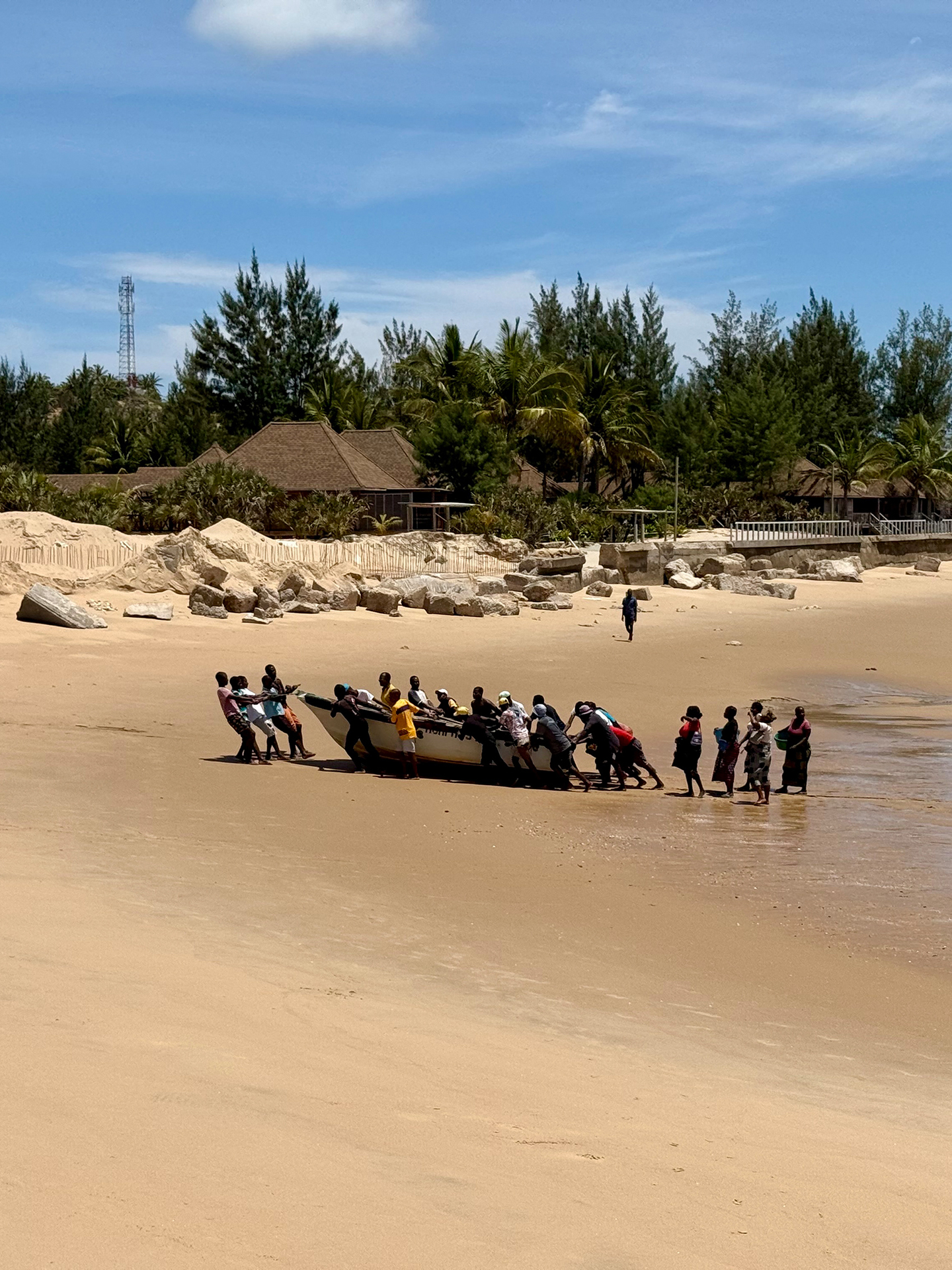
Today, Tofo represents a balance: enough tourism infrastructure to support comfortable visits, but insufficient development to lose the essential character that makes it appealing. Local residents maintain fishing traditions alongside tourism work, creating a dual economy that preserves cultural authenticity.
Cultural Considerations
Mozambique’s Portuguese colonial history (independence in 1975) influences language, cuisine, and architectural styles. Portuguese is the official language, though local dialects prevail in daily village life. English fluency among tourism workers is widespread but limited beyond those sectors.
Local culture emphasizes community and relationships over rigid scheduling—a “Mozambique time” approach that frustrates some Western visitors but rewards those who adapt. Greeting people warmly before business transactions is expected. Patience with service timelines is appreciated.
Islamic influence is present but not dominant, with both mosque and Catholic church serving their communities. Visitors should dress modestly when away from beach areas, particularly when entering villages or interacting with elders.
How to Get to Tofo Beach
International Access
Primary entry point: Maputo International Airport (MPM) receives international flights from South Africa, Kenya, Ethiopia, and European connections through Johannesburg. Most international visitors route through Johannesburg’s OR Tambo International Airport (JNB).
Secondary option: Inhambane Airport (INH) sits approximately 30 kilometers from Tofo but receives limited commercial service—primarily charter flights and small aircraft from Maputo or Vilankulo. Scheduled service is unreliable; verify current flight status before planning.
Visa requirements: Many nationalities receive visa-on-arrival at Mozambican entry points, costing $50 USD for 30-day tourist visas. South Africans enjoy visa-free access. Verify current requirements for your nationality as policies change.
Ground Transportation from Maputo
Private transfer: Most comfortable but expensive option. Arranged through accommodation or local tour operators. Cost: $150-$250 USD for one-way transfer in private vehicle with professional driver. Journey time: 5-6 hours including stops. Vehicles range from sedan to 4×4 depending on operator.
Shuttle services: Shared shuttle vans operate several times weekly between Maputo and Tofo, offering middle-ground option. Cost: $50-$75 USD per person. Journey time: 6-7 hours with pickups at multiple locations. Book through Tofo accommodation or online shuttle services. Comfort varies significantly—newer companies use better vehicles.
Public transport: Most economical but challenging option. Chapas (minibus taxis) run Maputo to Inhambane ($15-$25 USD, 6-8 hours), followed by local chapa Inhambane to Tofo ($3-$5 USD, 45 minutes). Requires Portuguese language ability for negotiation and navigation. Comfort minimal, reliability variable, cultural experience authentic.
Rental car: Self-drive option for experienced travelers comfortable with Mozambican road conditions. Rental costs $40-$80 daily for basic vehicle. Road quality varies from paved highway to potholed sections. Navigation straightforward but requires attention. Fuel stations limited outside major towns—plan accordingly.
Route Considerations
The Maputo-Tofo route follows EN1 (National Route 1) north through Xai-Xai and Maxixe before branching to Inhambane and finally Tofo. Road conditions have improved significantly in recent years, with most route now paved, though pothole sections remain particularly after rainy season.
Safety considerations: Drive during daylight only. Wandering livestock, cyclists, and pedestrians share roads. Police checkpoints are common—keep documents accessible. Avoid nighttime driving due to limited lighting, road hazards, and security concerns.
Scenic stops: Xai-Xai offers beach breaks approximately halfway. Coconut and cashew plantations line sections of the route. Small villages provide glimpses of rural Mozambique life.
Alternative Access via Vilankulo
Some itineraries combine Tofo with Vilankulo (gateway to Bazaruto Archipelago) further north. LAM Mozambique Airlines operates Maputo-Vilankulo flights ($150-$250 USD one-way, 1.5 hours). From Vilankulo to Tofo requires 5-6 hour ground transport along coastal roads—spectacular but time-consuming.
When to Visit Tofo: Seasonal Breakdown
Peak Season: October-March (Summer)
Mozambique’s summer brings warm weather and the arrival of whale sharks—the primary driver of international tourism to Tofo.
Advantages:
- Whale shark snorkeling with 75-90% encounter rates during peak months (December-January)
- Warmest water temperatures (26-28°C) for extended ocean time
- Maximum marine life diversity including breeding cycles
- Excellent weather for beach activities and outdoor dining
Disadvantages:
- Highest accommodation costs and lowest availability
- More tourists on beaches and dive sites
- Reduced underwater visibility (10-20 meters) due to plankton blooms
- Occasional tropical storms bringing 1-2 day rain periods
Ideal for: First-time visitors prioritizing whale shark encounters, families preferring warm water, travelers seeking maximum marine diversity.
Shoulder Season: April & September-October
Transition periods offering balanced advantages:
April benefits:
- Departing whale sharks overlap with increasing manta ray activity
- Water remains warm (25-26°C) while visibility improves
- Tourist numbers decrease with corresponding price reductions
- Excellent weather stability as summer rains fade
September-October benefits:
- First whale sharks arrive while manta activity remains high
- Improving water temperatures (24-26°C) from winter lows
- Pre-peak season pricing with good availability
- Optimal balance for experiencing both major marine species
Ideal for: Flexible travelers seeking value, photographers wanting good visibility with marine life, divers wanting uncrowded sites.
Winter Season: May-August
Cooler months bringing distinct character changes:
Advantages:
- Peak manta ray season with highest encounter densities
- Best underwater visibility (25-30+ meters) of the year
- Humpback whale migrations (July-November) with underwater songs
- Lowest accommodation costs and maximum availability
- Most stable weather patterns
Disadvantages:
- No whale shark encounters (they migrate elsewhere)
- Cooler water (22-24°C) requiring 5mm wetsuits for diving
- Cooler air temperatures (18-25°C) make beach time less appealing
- Reduced restaurant and activity hours due to lower tourism
Ideal for: Serious divers prioritizing manta encounters and visibility, budget travelers, photographers, those avoiding crowds at any cost.
Accommodation Options in Tofo
Budget: Hostels and Backpackers ($15-$40 per night)
Tofo offers several backpacker establishments catering primarily to young travelers, divers, and budget-conscious visitors:
Characteristics: Dormitory beds and basic private rooms, shared bathrooms, communal kitchens, bar/social areas. Often feature direct beach access and integrated dive centers. Emphasis on social atmosphere over privacy.
Examples of budget type: Beach-front backpackers with 10-20 beds, camping areas, basic restaurant facilities.
Best for: Solo travelers seeking social connections, divers on extended trips maximizing dive budgets, travelers comfortable with hostel culture.
Considerations: Noise levels can be significant, particularly weekends. Security varies—use lockers for valuables. Quality fluctuates between establishments.
Mid-Range: Guesthouses and Lodges ($50-$120 per night)
The bulk of Tofo accommodation falls in this range, offering private rooms with bathrooms in various settings:
Characteristics: Private bungalows or rooms, en-suite bathrooms, often include breakfast. Range from simple but clean to comfortable with thoughtful design. Some feature pools, restaurants, or beach bars.
Location variations: Beachfront properties command premiums versus those requiring 5-10 minute walks to shore. The main bay sees more action while southern areas offer more seclusion.
Best for: Couples, small groups, travelers balancing comfort with budget, those wanting privacy without luxury pricing.
Considerations: Quality varies significantly within this price range. Reviews essential for vetting. Peak season booking requires 4-8 weeks advance notice.
Premium: Eco-Lodges and Boutique Properties ($150-$300+ per night)
Upper-tier options emphasizing design, sustainability, service, and positioning:
Characteristics: Architectural distinction, quality materials and furnishings, attentive service, often all-inclusive or meal plans included. Emphasis on sustainability without sacrificing comfort. Adult-focused or family-friendly depending on property.
Amenities: Typically include quality restaurants, bars, pools, organized activities, reliable WiFi (increasingly important for remote workers), environmental initiatives.
Best for: Honeymooners, luxury travelers, digital nomads requiring reliable infrastructure, environmentally-conscious travelers prioritizing sustainability.
Examples: Properties like Duna Serena combining tiny house eco-design with premium amenities, or established eco-lodges emphasizing local materials and environmental stewardship.
Long-Term Rentals
For extended stays (weeks or months), rental houses and apartments offer better value:
Monthly rates: $500-$1,500 depending on property, location, and season. Simple houses start around $500. Well-equipped properties near beach command $1,000-$1,500.
Sourcing: Local agents, Facebook groups (“Tofo Community”), or direct arrangements through property owners. Advance viewings recommended when possible.
Utilities: Usually excluded from rent. Electricity can add $50-$150 monthly depending on usage. Water included in most rentals.
Best for: Digital nomads, extended diving trips, families preferring self-catering, budget-conscious travelers on multi-week stays.
Essential Activities and Experiences
Whale Shark Snorkeling (October-March)
The definitive Tofo experience during summer months:
Cost: $60-$100 USD per person for 3-4 hour tours including equipment and multiple encounter opportunities.
Success rates: 75-90% during peak season (December-January), 60-70% shoulder season (October-November, February-March).
Physical requirements: Moderate swimming ability and comfort in open ocean. Tours typically involve 15-30 minute boat rides followed by repeated snorkel entries when sharks are spotted.
Booking: Advance reservation recommended during peak season. Day-of availability common in shoulder months.
Detailed whale shark guide and ethical practices
Scuba Diving (Year-Round)
Tofo’s premier consistent activity regardless of season:
Cost: $40-$60 per dive, with package discounts for multi-dive commitments. Certification courses $350-$500 for Open Water, $250-$350 for Advanced.
Key sites: Manta Reef (manta encounters), Giants Castle (sharks and pinnacle diving), Galleria (swim-throughs), Amazon (training and macro).
Best seasons: Winter (May-September) for manta rays and visibility. Summer (October-March) for warmer water and pelagic diversity.
Requirements: Minimum Open Water certification for basic sites. Advanced certification strongly recommended for signature sites.
Beach Activities
Beyond structured marine tours:
Swimming: Main Tofo bay offers protected swimming though rip currents exist—observe local swimmers for safe zones. Tofinho provides calmer conditions for families.
Surfing: Reliable surf breaks for beginners and intermediates. Board rental $15-$25 daily. Lessons available through several operators.
Kayaking: Sea kayak rentals for coastal exploration. Occasional dolphin encounters, sea bird watching, beautiful coastline perspectives.
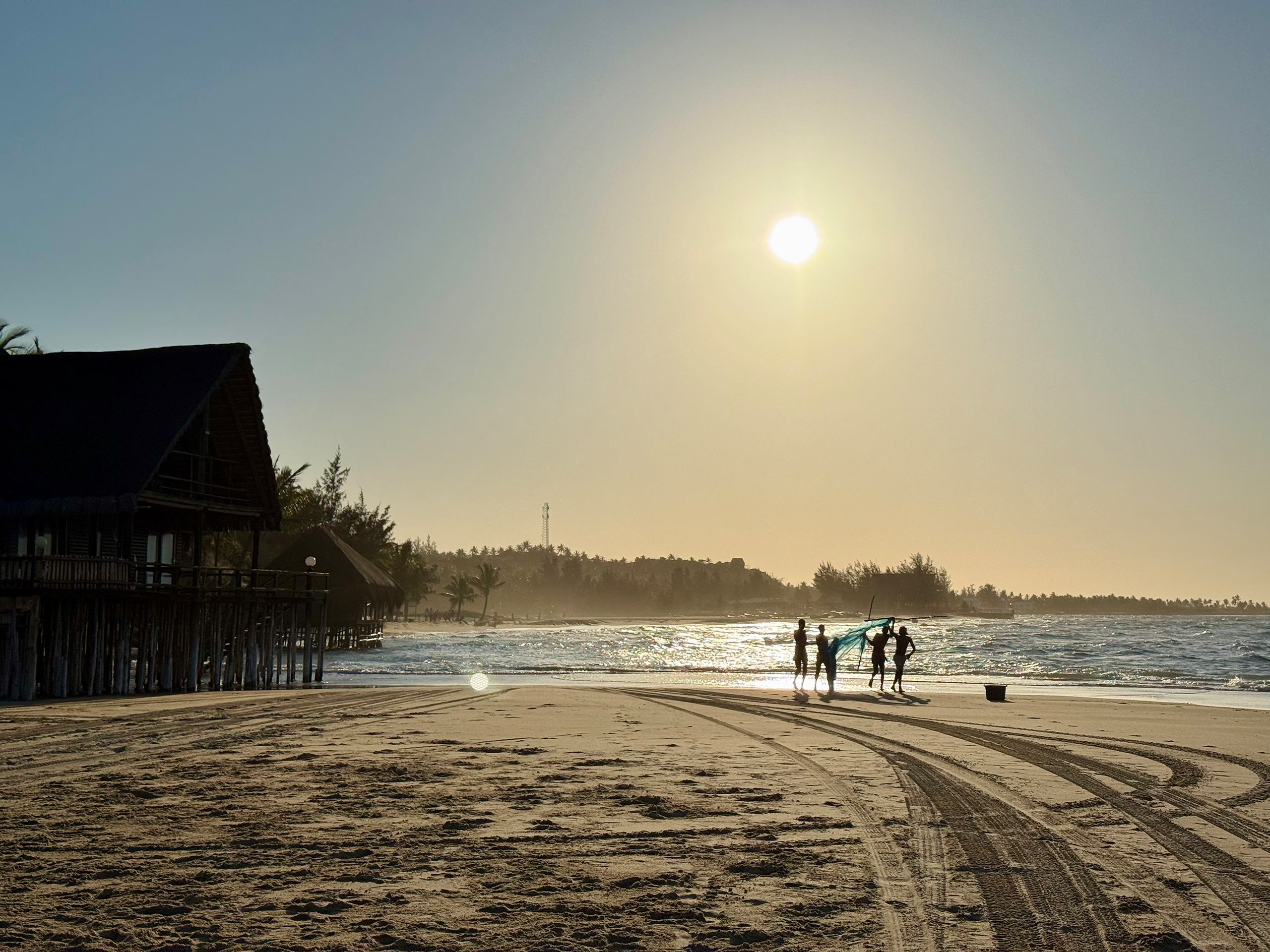
Beach walks: Extensive walking opportunities along undeveloped coastline, particularly early morning and late afternoon when temperatures moderate.
Cultural Experiences
Village visits: Organized visits to local communities providing authentic cultural exchange. These should be arranged through responsible operators ensuring community benefit.
Fish market: Morning fish market offers glimpses of traditional fishing practices and opportunity to purchase ultra-fresh seafood for self-catering.
Local cuisine: Beyond tourist restaurants, small local eateries serve traditional Mozambican dishes including piri-piri prawns, matapa (cassava leaf stew), and grilled fish.
Dhow Sailing
Traditional sailing vessel excursions:
Sunset sails: 2-3 hour sunset cruises on traditional wooden dhows. Costs $40-$60 per person typically including drinks.
Day trips: Extended dhow excursions to neighboring beaches or snorkeling spots. Usually includes lunch and swimming opportunities.
Cultural significance: Dhows represent traditional Swahili sailing craft with centuries of Indian Ocean history.
Budgeting Your Tofo Trip
Daily Cost Estimates
Budget traveler ($40-$60 daily):
- Hostel accommodation: $15-$25
- Self-catering breakfast/lunch, cheap restaurant dinner: $15-$25
- One activity (beach, walking, free diving): $0-$10
- Transportation within Tofo: Minimal
- Miscellaneous (water, snacks, incidentals): $10
Mid-range traveler ($100-$150 daily):
- Guesthouse accommodation: $50-$80
- Breakfast included, lunch and dinner at restaurants: $30-$50
- One paid activity (dive, whale shark tour, surfing): $40-$100
- Occasional transport, tips: $10-$20
- Evening drinks, miscellaneous: $20
Luxury traveler ($250-$400+ daily):
- Premium accommodation: $150-$300+
- All meals at quality restaurants: $60-$100
- Multiple activities or premium experiences: $100-$200
- Private transport, tips, incidentals: $50+
Activity Cost Summary
- Single scuba dive: $40-$60
- Whale shark tour: $60-$100
- Surf lesson: $40-$60
- Sea kayak rental: $20-$35
- Dhow sunset sail: $40-$60
- Snorkel equipment rental: $10-$15 daily
Seasonal Price Variations
Expect 20-30% premium on accommodation during peak season (December-January). Activities maintain relatively consistent pricing year-round. Restaurants and services show minimal seasonal variation.
Practical Information and Tips
Money and Banking
Currency: Mozambican Metical (MZN). US Dollars and South African Rand widely accepted, often preferred for large purchases.
ATMs: Limited ATM availability in Tofo itself. Inhambane (30km away) offers more reliable banking services. Bring sufficient cash or plan for Inhambane trips.
Credit cards: Acceptance limited to higher-end establishments. Cash remains primary transaction method.
Tipping: Not mandatory but appreciated. 10% considered generous in restaurants. Dive guides $5-$10 per day. Accommodation staff discretionary.
Communication
Cell service: Vodacom and Movitel provide coverage in Tofo. SIM cards available in Inhambane ($5-$10). Data packages reasonable for basic usage.
WiFi: Variable quality across accommodation. Some establishments offer excellent connectivity (particularly those with Starlink), others barely functional. Verify if internet is critical to your stay.
Language: Portuguese official, but English widely spoken in tourism sector. Basic Portuguese phrases appreciated by locals.
Health and Safety
Vaccinations: Yellow fever certificate required if arriving from endemic countries. Malaria prophylaxis recommended—Tofo is in malaria zone though risk lower than inland areas.
Medical facilities: Basic clinic in Tofo for minor issues. Serious medical issues require Inhambane or Maputo. Travel insurance with medical evacuation coverage essential.
Water: Tap water not potable. Bottled water widely available and inexpensive.
Safety: Tofo generally safe, though petty theft occurs. Use accommodation safes for valuables. Avoid isolated beaches after dark. Standard travel precautions apply.
What to Pack
Essential items:
- Reef-safe sunscreen (important for marine ecosystem)
- Quality snorkel mask (rental masks often don’t fit well)
- Light layers for cool evenings and air-conditioned spaces
- Sandals for beach, closed-toe shoes for dining
- Headlamp (power outages occasional)
- Basic first aid and personal medications
- Multiple forms of payment (cash, cards as backup)
For divers specifically:
- Dive computer and personal exposure suit if preferred
- Dive log and certification cards
- Underwater camera and extra memory cards/batteries
How Duna Serena Elevates the Tofo Experience
Sustainable Luxury in Practice
Duna Serena demonstrates that eco-conscious design and luxury are complementary, not contradictory. The tiny house architecture minimizes environmental footprint through reduced resource consumption while maximizing comfort through thoughtful design adapted to coastal Mozambique’s climate.
Italian design sensibility meets African context in structures that provide natural ventilation, passive cooling, and seamless indoor-outdoor living. Each unit functions independently, offering privacy similar to traditional resorts without the sprawl that destroys natural landscapes.
Infrastructure for Modern Travelers
Recognition that today’s travelers—even those seeking eco-experiences—require reliable connectivity drove Duna Serena’s Starlink integration. This addresses Tofo’s historical challenge: beautiful setting undermined by unreliable internet that forced digital nomads elsewhere.
The result is accommodation supporting both complete ocean immersion and productive remote work, allowing extended stays that benefit local economy while providing guests with flexibility to balance work and exploration.
Community and Solo Traveler Appeal
The property’s communal spaces organically facilitate connections between like-minded travelers while preserving private retreats in individual units. This architecture serves solo travelers seeking community without hostel compromises, and groups wanting both shared experiences and personal space.
Evening gatherings naturally evolve around shared tables and fire features, creating informal information exchange about recent whale shark sightings, dive conditions, hidden local restaurants, and practical travel tips that guidebooks can’t capture.
Strategic Location
Five to ten minute walks to dive operators, whale shark tour departures, restaurants, and beach access mean guests maximize time on intended activities rather than transportation logistics. The positioning balances accessibility with distance from the main strip’s occasional noise, providing retreat while remaining connected to Tofo’s rhythms.
Explore Duna Serena’s approach to sustainable coastal living
Conclusion
Tofo Beach offers rare combination of world-class marine encounters, authentic coastal culture, and undeveloped beauty that increasingly rare along the world’s coastlines. Whether drawn primarily by whale sharks, diving, remote work opportunities, or simply beautiful beaches without high-rise development, Tofo delivers experiences justifying the effort required to reach this relatively remote destination.
Success requires realistic expectations about infrastructure—this is not polished resort destination but authentic fishing village adapted to eco-tourism. Services operate on “Mozambique time.” Reliability varies. These characteristics frustrate some visitors but reward those approaching Tofo with appropriate mindset.
Plan your visit around marine life priorities and seasonal trade-offs. Allow more time than you think necessary—Tofo’s appeal often becomes apparent only after adjusting to its rhythms. Choose accommodation matching your priorities whether budget, luxury, sustainability, or community. Most importantly, approach Tofo ready to adapt rather than expecting it to conform to expectations formed elsewhere.
The travelers who love Tofo most deeply are those who recognize that its imperfections and authenticity are inseparable—efforts to “improve” it through conventional development would destroy what makes it special.
Start planning your Tofo adventure
Frequently Asked Questions (FAQ)
How many days should I spend in Tofo?
Minimum 4-5 days allows experiencing primary activities without feeling rushed. Ideal stays of 7-10 days permit multiple whale shark attempts, several dive days, rest periods, and exploration of surrounding areas. Digital nomads and serious divers often extend to 2-4 weeks or longer.
Is Tofo suitable for families with children?
Yes, though considerations apply. Older children (8+) can participate in most marine activities. Younger children enjoy beach time, though facilities specifically targeting young children are limited. Family-friendly accommodation exists but requires research—some properties cater primarily to adult travelers and divers.
Can I visit Tofo as a solo traveler?
Excellent for solo travelers. The diving and whale shark tour structure naturally creates social opportunities. Several hostels and social-oriented accommodation options facilitate meeting other travelers. Safety considerations are standard—normal travel precautions rather than special concerns.
What’s the WiFi situation for digital nomads?
Historically problematic but improving. Traditional internet infrastructure remains unreliable, particularly during peak tourist season. Properties equipped with Starlink (including Duna Serena) now offer reliable connectivity suitable for video calls and large file transfers. Verify connectivity before booking if work requirements are strict.
How does Tofo compare to other Mozambique destinations?
Tofo specializes in marine wildlife encounters, particularly whale sharks and diving. Bazaruto Archipelago offers more pristine beaches and snorkeling but less megafauna reliability. Quirimbas Archipelago provides remote luxury but requires significant investment. Ponta d’Ouro suits surfers and divers accessing different sites. Each destination serves different travel styles.
Is it safe to swim at Tofo beaches?
Generally yes, though rip currents exist. Observe where local swimmers enter water and avoid isolated sections without others present. Main Tofo bay offers safer conditions than exposed beaches further south. Lifeguards are not present—self-responsibility is required.
What’s the food situation for vegetarians/vegans?
Challenging but manageable. Mozambican cuisine heavily features seafood and meat. Tourist restaurants typically offer vegetarian options, quality varying. Self-catering from markets provides most control. Vegans face more limited options and should plan accordingly.
Do I need a car in Tofo?
Not necessary. Walking or bicycle covers most in-town distances. Chapas (local minibus taxis) run to Inhambane for shopping or banking. Organized tours handle transportation to activities. Car rental makes sense only for independent exploration of broader region.
Can I use US dollars or do I need local currency?
US dollars widely accepted for major purchases, tours, and some accommodation. However, smaller transactions and local markets require Meticais. Bring mix of currencies and exchange some USD to Meticais for daily purchases.
What happens if weather cancels my whale shark tour?
Weather-related cancellations are relatively rare even during rainy season—most weather passes quickly. Building 1-2 buffer days into itineraries prevents complete loss if cancellation occurs.