
Whale Sharks in Mozambique: The Complete Guide to Ethical Encounters
Introduction
Every year between October and March, the warm waters off Mozambique’s coast become home to one of nature’s most magnificent spectacles: whale shark aggregations that rival any destination on Earth. These gentle giants, the world’s largest fish species, gather in unprecedented numbers along the continental shelf near Tofo Beach, creating opportunities for encounters that marine biologists consider among the planet’s most reliable.
If you’re planning a whale shark experience in Mozambique, you’re likely wondering about the best times to visit, how to ensure ethical interactions, and what makes this coastline so special for these magnificent creatures. This guide provides comprehensive, locally-informed answers based on years of observation and data from Tofo’s marine conservation community.
Understanding Whale Sharks: The Fundamentals
What Are Whale Sharks?
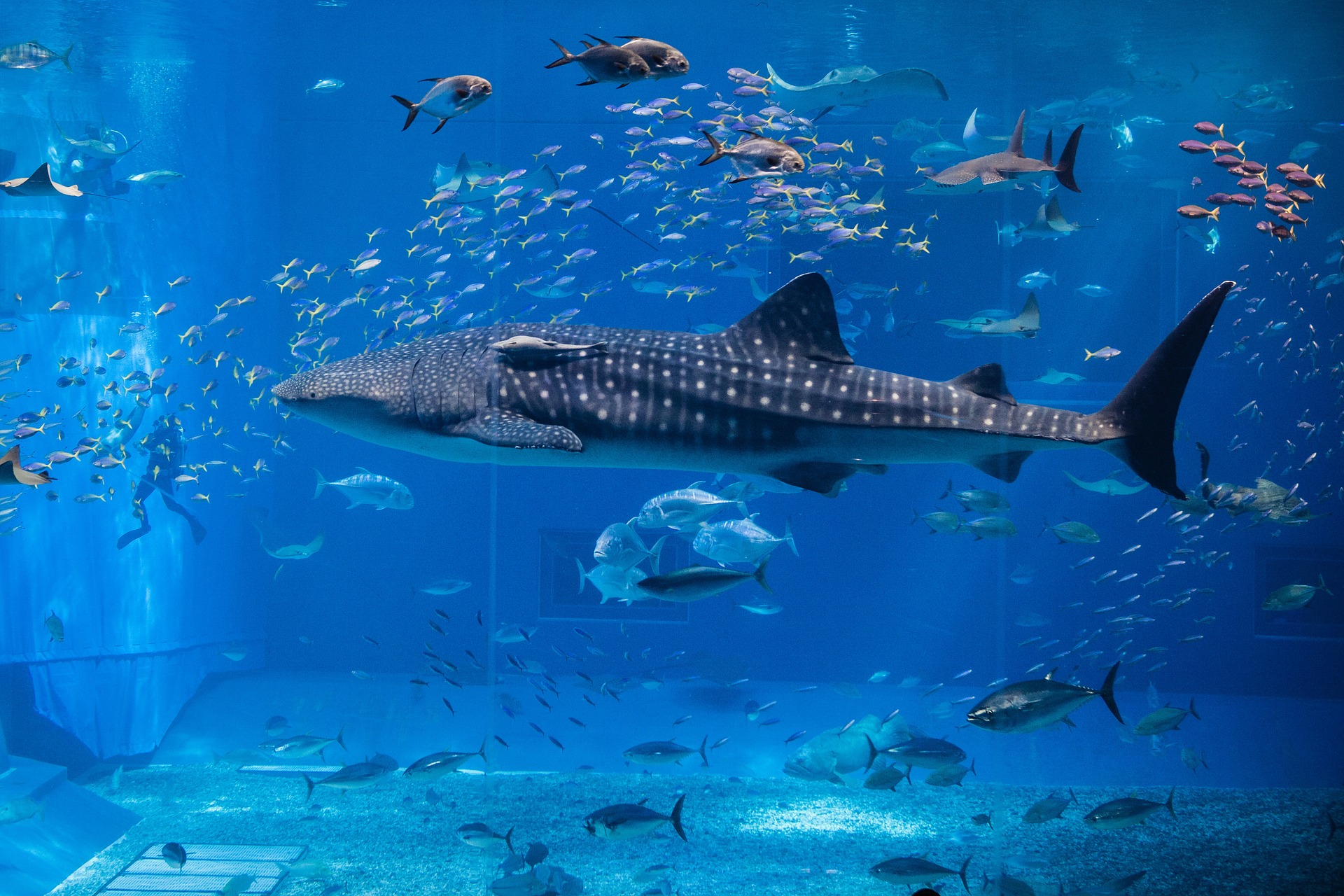
Whale sharks (Rhincodon typus) are filter-feeding carpet sharks that can reach lengths of up to 18 meters, though most individuals observed in Mozambican waters measure between 4 and 12 meters. Despite their enormous size, these creatures are entirely harmless to humans, feeding primarily on plankton, small fish, and fish eggs through a specialized filtering system.
The species is classified as endangered on the IUCN Red List, with populations declining globally due to ship strikes, fishing bycatch, and habitat degradation. This conservation status makes responsible tourism in aggregation areas like Mozambique critically important for the species’ survival.
Why Whale Sharks Congregate in Mozambique
The Mozambique Channel, particularly the waters around Tofo Beach, creates ideal conditions for whale shark aggregations. The continental shelf here sits unusually close to shore—in some areas just 400 meters from the beach—where deep ocean currents rich in nutrients hit shallow waters, triggering massive plankton blooms.
Research conducted by the Marine Megafauna Foundation has documented over 500 individual whale sharks in this region through photo identification, making it one of the largest known populations in the Western Indian Ocean. Water temperatures ranging from 24°C to 28°C during peak season, combined with excellent visibility often exceeding 20 meters, create optimal conditions for both the sharks and those hoping to observe them.
The seasonal nature of these aggregations corresponds directly with plankton density, which peaks during the warmer months when nutrient-rich currents from the Mozambique Channel interact with coastal upwelling systems.
Tofo Beach: Mozambique’s Whale Shark Capital
Geographic Advantages
Tofo Beach, located in Inhambane Province approximately 470 kilometers north of Maputo, has earned its reputation as one of the world’s premier whale shark destinations through a combination of natural advantages and responsible tourism development.
The town sits on a curved bay where the continental shelf creates a natural highway for pelagic species. Local dive operators report that during peak season, whale shark sightings occur on approximately 70-80% of dedicated tours—success rates that few other destinations can match.
The proximity of deep water to shore means boat trips typically last just 15-30 minutes before reaching prime whale shark territory, reducing both cost and environmental impact compared to destinations requiring hours of travel.
Local Marine Ecosystem
Beyond whale sharks, Tofo’s waters host an extraordinary diversity of marine megafauna. Manta rays are present year-round, with cleaning stations visible from shore. Humpback whales migrate through between July and November. Five species of sea turtles nest on nearby beaches. Reef sharks, including bull sharks and tiger sharks, patrol the deeper channels.
This biodiversity reflects the overall health of the marine ecosystem—a factor that contributes to the reliability of whale shark encounters. The sharks aren’t visiting a depleted environment; they’re part of a thriving food web that supports their nutritional needs throughout their stay.
How to Experience Whale Sharks Responsibly
Choosing Ethical Operators
Not all whale shark tourism operates with conservation in mind. When selecting a tour operator in Tofo, look for these critical indicators of responsible practice:
Certified guides and operators: Reputable operators hold certifications from marine conservation organizations and participate in ongoing whale shark research through photo identification submissions.
Group size limitations: Ethical operators limit snorkelers to 6-8 per whale shark encounter, preventing the harassment that occurs when dozens of swimmers surround a single animal.
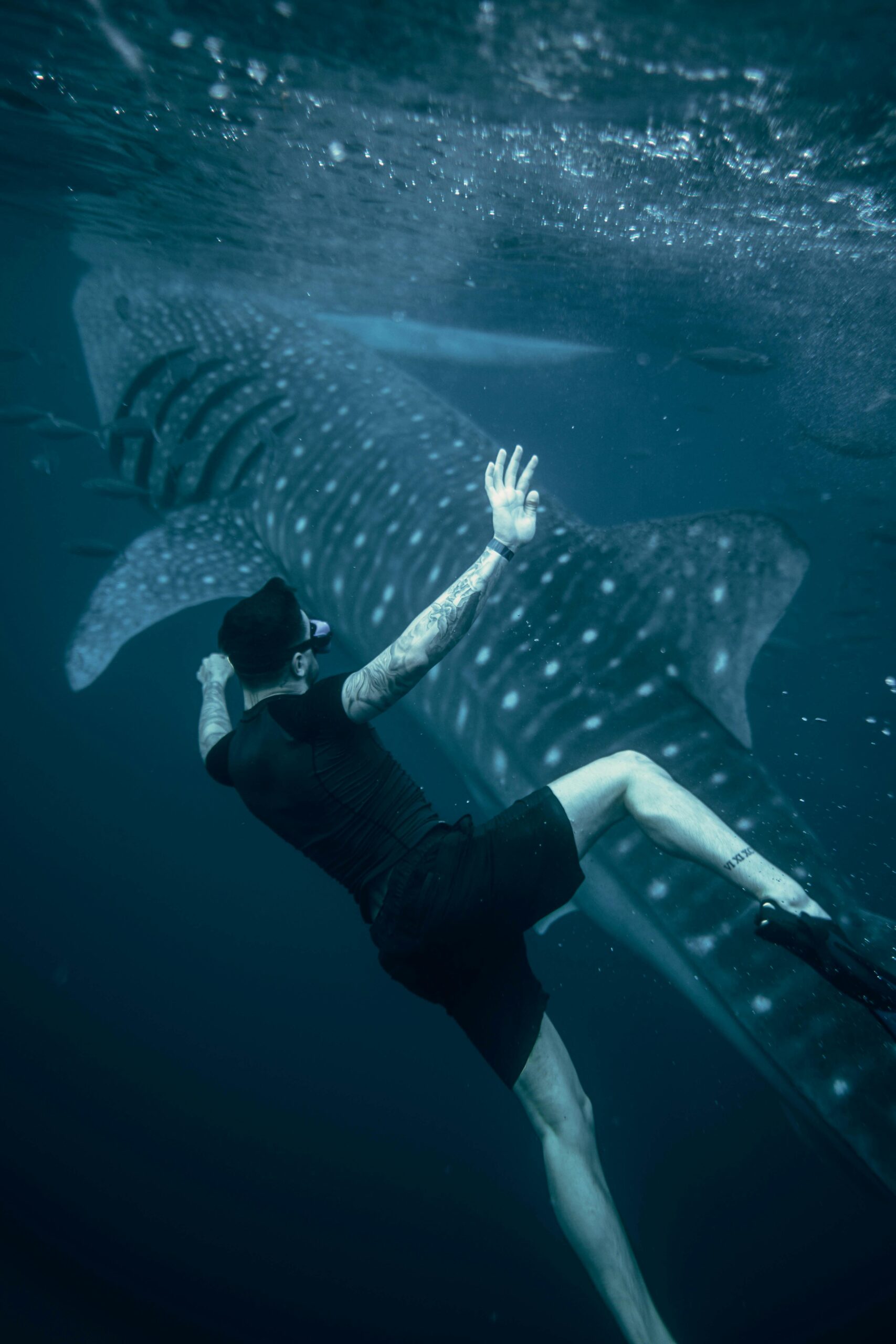
In-water protocols: Guides should brief participants on maintaining a minimum distance of 3 meters from the shark’s body and 4 meters from the tail, where startled sharks can injure swimmers with powerful strokes.
No touching or chasing: Any operator that encourages physical contact with whale sharks or allows swimmers to pursue animals that are clearly avoiding interaction should be avoided entirely.
Preparation and What to Expect
A typical whale shark tour from Tofo begins with a beach briefing covering safety procedures and ethical guidelines. Tours depart in open boats equipped with spotters who scan for the distinctive shadow patterns whale sharks create near the surface.
Once a shark is spotted, snorkelers enter the water in small groups while the boat maintains position. Encounters typically last 10-30 minutes, though this varies based on the shark’s behavior. Multiple encounters during a single tour are common during peak season.
The experience requires moderate swimming ability. Whale sharks often cruise at 3-5 kilometers per hour—a pace that feels leisurely but requires sustained effort to maintain. Fins are essential, and wetsuits (even thin ones) help with buoyancy and protection from sun exposure during surface intervals.
Water conditions vary. Early morning tours often encounter calmer seas with better visibility. Afternoons can bring increased wind and chop, making surface swimming more challenging but not necessarily reducing encounter success.
Photography Considerations
Underwater cameras are permitted and encouraged by conservation-oriented operators, as photographs contribute to photo identification databases that track individual sharks across years and locations. However, photographers should prioritize ethical behavior over the perfect shot.
Natural lighting works best in Tofo’s clear waters—flash photography can startle sharks and disturbs the natural encounter. GoPros and similar action cameras work well in the 5-15 meter depth range where most encounters occur.
Seasonal Patterns and Timing
Peak Season: October Through March
Whale shark presence in Mozambican waters follows predictable seasonal patterns tied to plankton blooms and water temperature. The peak season runs from October through March, with November through February generally offering the highest encounter rates.
During these months, plankton blooms triggered by warming water and nutrient upwelling create ideal feeding conditions. Research data from Tofo dive centers shows encounter rates exceeding 75% during December and January, with some weeks approaching 90% success rates on dedicated whale shark tours.
Water visibility during peak season typically ranges from 15-25 meters, though this can vary based on recent weather and plankton density. Higher plankton concentrations sometimes reduce visibility to 8-12 meters, but paradoxically these conditions often correlate with the most whale shark activity.
Shoulder Season Opportunities
April and September represent shoulder season months where whale shark encounters remain possible but less predictable. Success rates drop to approximately 40-50%, but tours still operate and the reduced number of visitors can make for more intimate experiences.
These months also offer cost advantages, as accommodation and tour prices typically decrease outside peak season. Marine conditions remain excellent for other activities—manta rays are present year-round, and April marks the beginning of annual sardine run preparations, though the main run typically occurs further south.
Off-Season Realities
From May through August, whale shark encounters become rare as the animals disperse to other feeding areas. Water temperatures drop to 22-24°C, and plankton densities decrease significantly. Most whale shark-specific tours don’t operate during these months.
However, this period coincides with humpback whale migrations and excellent diving conditions on Tofo’s reef systems. Visitors focused specifically on whale sharks should plan accordingly and visit during the documented peak season.
Costs and Planning Your Trip
Tour Pricing Structure
Whale shark snorkeling tours from Tofo typically range from $60-$100 USD per person, depending on operator, group size, and inclusions. This usually covers:
- Transportation from accommodation to launch point
- All snorkeling equipment (mask, fins, snorkel, wetsuit)
- Experienced guides and spotters
- Multiple encounters (conditions permitting)
- Safety equipment and insurance
Some operators offer photography services or GoPro rentals for additional fees ($20-$40). Private charters for small groups typically cost $400-$600, offering flexibility in timing and more personalized attention.
Accommodation Considerations
Tofo offers accommodation ranging from backpacker hostels ($15-$30/night) to mid-range guesthouses ($50-$100/night) and premium eco-resorts. Location matters—staying within walking distance of tour operators eliminates early morning transportation stress.
Peak season (December-January) requires advance booking, particularly for quality mid-range and premium options. Shoulder season visitors often find last-minute availability and discounted rates.
Transportation and Logistics
Reaching Tofo requires planning. Most international visitors fly into Maputo (Mozambique’s capital) or Inhambane (closer to Tofo but fewer international connections). From Inhambane, Tofo is a 30-minute drive through rural Mozambique.
Bus services connect Maputo to Inhambane (6-8 hours, $15-$25), though comfort varies significantly. Many visitors arrange private transfers ($150-$200 from Maputo) or domestic flights to Inhambane ($120-$180).
Budget $100-$150 daily for a comfortable Tofo experience including accommodation, meals, and one activity. Budget-conscious travelers can manage on $50-$70 daily, while those seeking premium experiences should plan $200+ daily.
Common Mistakes to Avoid
Booking Outside Peak Season Without Research
The most common disappointment stems from visiting Tofo during off-season months expecting high whale shark encounter rates. While tour operators will take your money year-round, success rates outside October-March drop dramatically. Verify current conditions before booking tours during shoulder season months.
Choosing Operators Based Solely on Price
The lowest-priced operators often cut costs by overcrowding encounters, using poorly maintained equipment, or employing guides without proper marine biology training. The $20 difference between budget and reputable operators becomes meaningless during a once-in-a-lifetime encounter marred by unethical practices or safety concerns.
Inadequate Sun Protection
Hours on the water under the African sun causes severe burns for unprepared visitors. Even during surface intervals between encounters, UV exposure accumulates quickly. Reef-safe sunscreen, rash guards, and wetsuit coverage prevent the burns that ruin subsequent vacation days.
Overlooking Travel Insurance
Medical facilities in Tofo are basic, with serious injuries requiring evacuation to Maputo or South Africa. Travel insurance covering marine activities and medical evacuation is essential, not optional. Many standard policies exclude water sports—verify your coverage explicitly includes snorkeling.
Unrealistic Photography Expectations
First-time snorkelers often struggle with basic swimming while simultaneously operating cameras. This leads to poor positioning, missed encounters, and sometimes accidental shark harassment as photographers chase the perfect shot. Consider dedicating your first encounter to the pure experience before introducing equipment complexity.
How Duna Serena Enhances Your Whale Shark Experience
Strategic Location and Sustainable Design
Duna Serena’s position in Tofo Beach places guests within a 5-10 minute walk of departure points for whale shark tours. This proximity eliminates early morning transportation stress and allows flexibility in choosing tour operators based on daily conditions rather than logistical constraints.
The resort’s tiny house architecture reflects a deliberate philosophy: minimize environmental impact while maximizing comfort and connection to the surrounding ecosystem. Each unit incorporates Italian design principles adapted for Mozambique’s coastal climate, with natural ventilation, sustainable materials, and minimal energy consumption.
Starlink internet connectivity throughout the property serves digital nomads who want to combine whale shark adventures with remote work capabilities—a rare combination in coastal Mozambique.
Supporting Local Conservation
Guest stays at Duna Serena directly support marine conservation through partnerships with local research organizations. The resort facilitates connections between visitors and conservation initiatives, including opportunities to contribute whale shark photographs to identification databases or participate in beach cleanups.
Staff members include local community members trained in sustainable tourism practices, ensuring economic benefits remain within Tofo rather than flowing to distant corporate entities. This model demonstrates that whale shark tourism can benefit both the local population and the species itself.
Pre and Post-Encounter Experiences
Whale shark tours typically conclude by late morning, leaving afternoons open for other activities. Duna Serena’s location provides easy access to diving on Tofo’s reef systems, kayaking, or simply relaxing on one of Mozambique’s most beautiful beaches.
The resort’s communal spaces facilitate connections between travelers, creating a community of like-minded individuals who prioritize sustainable travel and marine conservation. Evening gatherings often feature informal talks by visiting marine biologists or local conservationists.
Learn more about sustainable accommodation in Tofo
Conclusion
Whale sharks in Mozambique represent one of the world’s most accessible and reliable opportunities to encounter these magnificent animals in their natural environment. Tofo Beach’s unique geography, combined with strong local conservation efforts and responsible tourism infrastructure, creates conditions where ethical wildlife encounters benefit both visitors and the species.
Plan your visit between October and March for optimal encounter rates. Choose operators who demonstrate genuine commitment to conservation through their practices, not just their marketing. Prepare properly for sun exposure and water conditions. Most importantly, approach the experience with respect for these endangered creatures and the ecosystem they inhabit.
The memories of swimming alongside a 10-meter whale shark will last a lifetime. Ensuring those encounters contribute to conservation rather than degradation determines whether future generations can experience the same wonder.
Book your stay at Duna Serena for peak whale shark season
Frequently Asked Questions (FAQ)
What is the best month to see whale sharks in Mozambique?
December and January typically offer the highest encounter rates, with success rates exceeding 75% on dedicated tours. The entire October-March window provides good opportunities, but mid-season months benefit from optimal plankton concentrations and weather conditions.
How close can you get to whale sharks in Tofo?
Ethical guidelines require maintaining 3 meters distance from the shark’s body and 4 meters from the tail. Responsible operators enforce these distances. Whale sharks are often curious and may approach swimmers closely on their own—in these cases, swimmers should remain still rather than reaching out or pursuing the animal.
Are whale shark tours safe for non-divers?
Yes. Whale shark encounters in Tofo occur at the surface using snorkeling equipment, not scuba diving. Moderate swimming ability and comfort in open water are necessary, but diving certification is not required. Most operators provide brief instruction for nervous swimmers.
What should I bring on a whale shark tour?
Essential items include reef-safe sunscreen, swimwear, towel, water bottle, and light snacks. Operators provide all snorkeling equipment, though bringing your own well-fitting mask improves comfort. Waterproof cameras are welcome but optional. Avoid bringing valuables, as storage on boats is limited.
Can you see whale sharks and manta rays on the same trip?
Yes, frequently. Manta rays are present year-round in Tofo waters and often appear during whale shark tours. Some operators offer combined tours specifically targeting both species, though dedicated whale shark tours focus primarily on locating whale sharks first.
How long do whale shark encounters typically last?
Individual encounters range from 10-30 minutes depending on the shark’s behavior and swimming direction. Multiple encounters during a single 3-4 hour tour are common during peak season. Total time in the water varies, but most tours allow for 2-4 separate encounter opportunities.
Is it better to dive or snorkel with whale sharks?
In Tofo, snorkeling is standard and optimal. Whale sharks feed near the surface where plankton concentrations are highest, typically in the upper 5-10 meters. Snorkeling provides better mobility, longer encounter times, and eliminates the risks and complications of scuba diving in open water.
What is the difference between whale sharks in Tofo versus other destinations?
Tofo offers consistently high encounter rates during a predictable season, close proximity to shore (short boat rides), excellent visibility, and a well-established responsible tourism infrastructure. Compared to destinations like the Philippines or Mexico, Mozambique sees fewer tourists overall, creating less crowded encounters.
Are there age restrictions for whale shark tours?
Minimum age varies by operator but typically ranges from 8-12 years. Children must be comfortable in open water and able to follow guide instructions. Some operators offer family-specific tours with additional safety measures and patience for younger snorkelers.